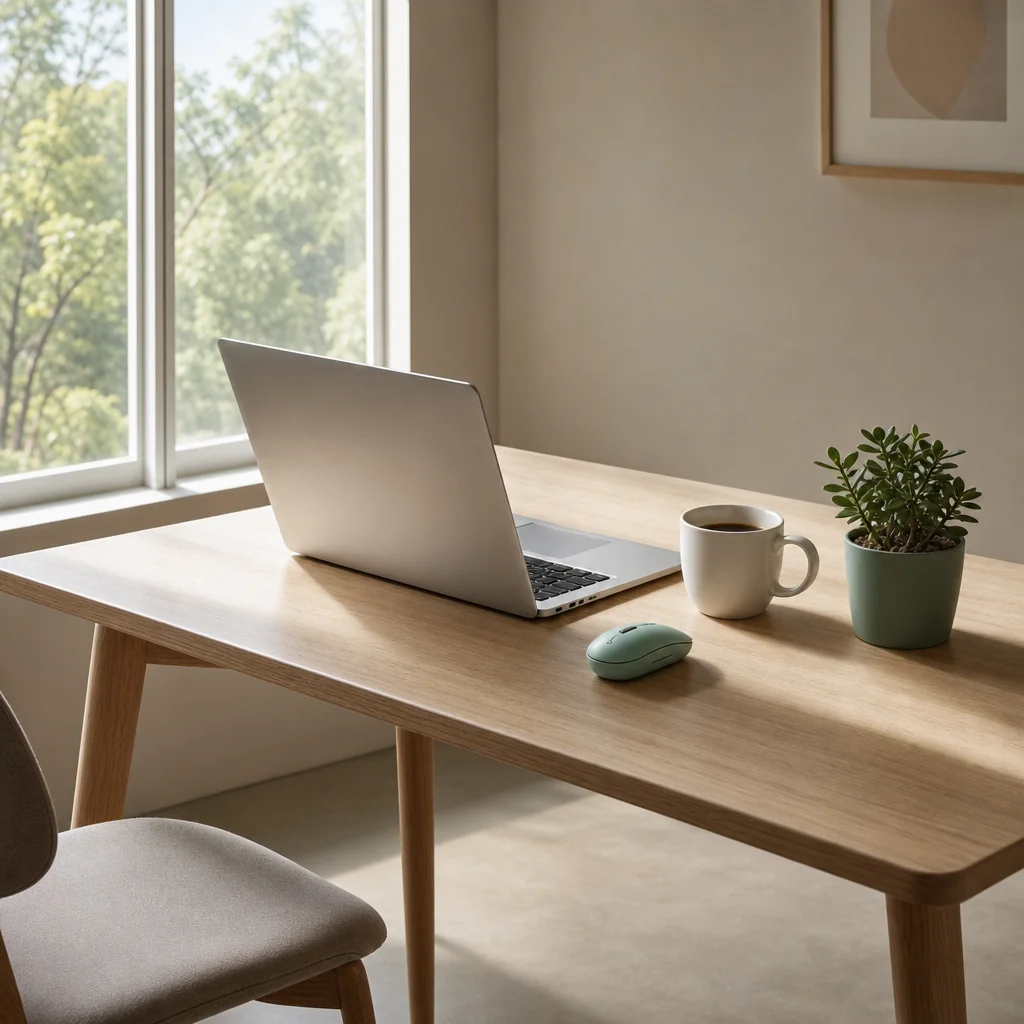
Living in a world overwhelmed by visual clutter can make it difficult to focus, create, and simply enjoy the moment. Minimalism isn’t just a design trend; it’s a lifestyle approach that can sharpen your mind and free up mental bandwidth. In this post we’ll look at the philosophy behind everyday minimalism, the science that supports its benefits, and simple steps you can take right now.
Why Minimalism Works
Research from cognitive psychologists shows that too many visual stimuli compete for attention, leading to decision fatigue. A minimalist environment reduces this competition, allowing the brain to allocate resources toward deeper thinking. The “less is more” principle creates calm, and the consistent use of neutral colors—like the white background and dark gray text you see on this site—helps maintain visual harmony.
Step 1: Declutter Your Physical Space
- Start with surfaces: Keep only three items on your desk—your laptop, a notebook, and a plant.
- Use the “one‑in‑one‑out” rule: When you bring a new item home, donate or recycle an existing one.
- Adopt storage solutions: Invisible boxes, floating shelves, and the occasional open drawer keep things tidy while still accessible.
Step 2: Simplify Digital Life
Just as physical clutter can distract, a chaotic digital workspace can impair focus. Clean up your desktop icons, organize bookmarks into clear categories, and limit notifications to essential apps only.
Step 3: Curate Your Visual Feed
The images you consume shape your aesthetic. Follow accounts that celebrate simplicity—think muted palettes, clean lines, and ample white space. This will reinforce your own design sensibility.
Step 4: Apply Minimalist Principles to Content Creation
If you write a blog, edit ruthlessly. Use concise sentences, break up text with short paragraphs, and incorporate generous vertical spacing (like the py‑16 and py‑20 padding used here). This improves readability and aligns with the overall brand look.
Step 5: Embrace the Emotional Benefits
Beyond productivity, minimalism nurtures a sense of calm. The reduced visual noise allows you to focus on what truly matters—relationships, hobbies, and personal growth.
Conclusion
Adopting everyday minimalism is a gradual process. Start small, celebrate each decluttering victory, and watch as space—both physical and mental—opens up for inspiration.